
Dirt Bike Brake Brackets
For Caliper Stability and Precision Fitment
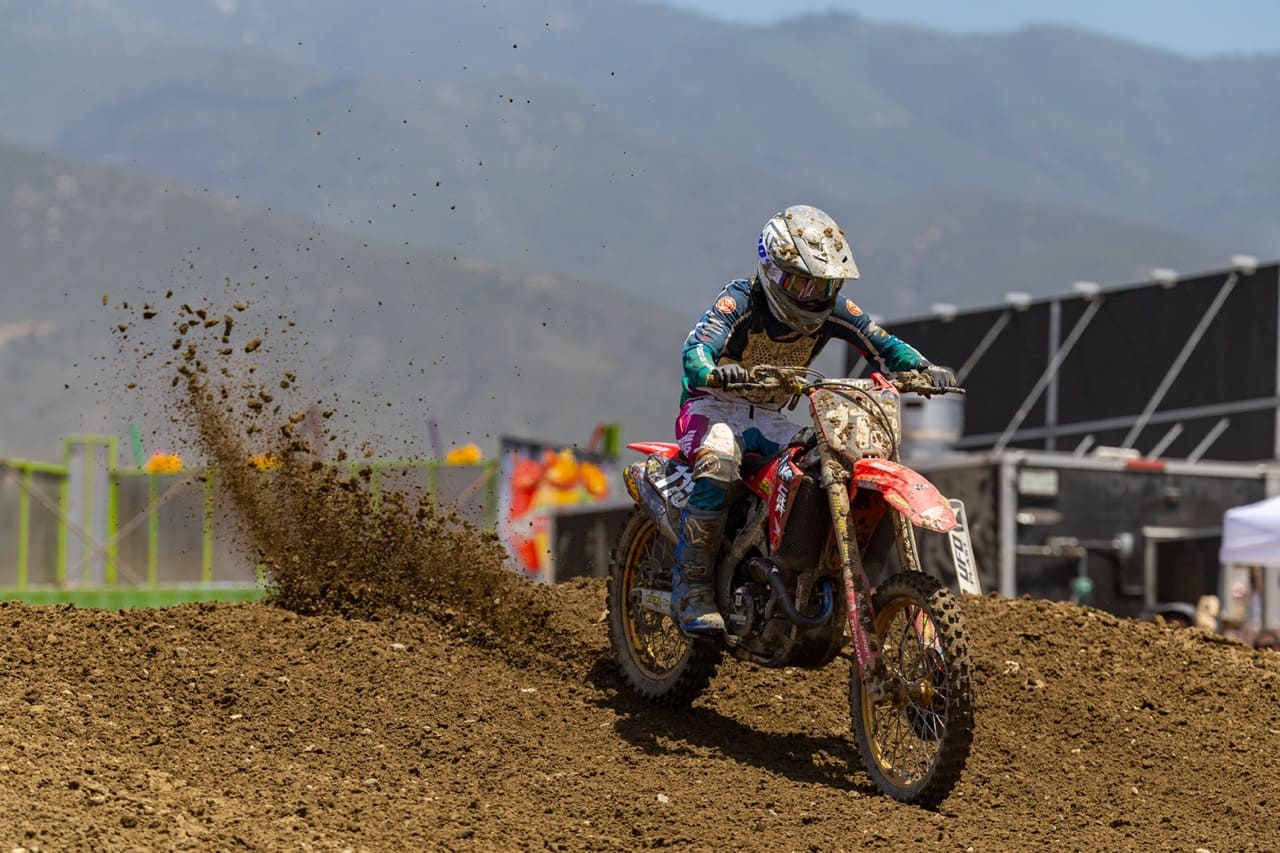
Brake brackets are the backbone of any dirt bike’s stopping system. When you’re smashing through rock gardens, slamming into ruts, or landing crooked off a step-up, even a little bracket flex can throw off caliper alignment and mess with pad-to-rotor contact. That’s how you get fade, uneven wear, and lever feel that doesn’t match your input. Gbrakes Dirt Bike Brake Brackets are engineered for this kind of abuse. Built in the USA from billet aluminum or chromoly steel, not cast, we spec every piece for strength, alignment, and long-term performance. No guesswork, no wandering tolerances, and no shortcuts in materials. These brackets lock your caliper where it belongs, even under high torque and suspension travel.
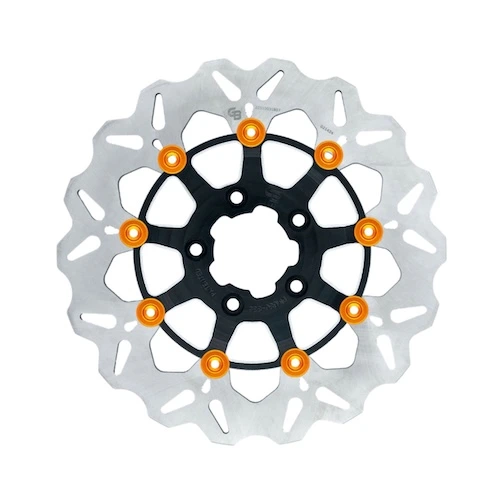
Whether you’re upgrading to a floating rotor, running oversized front setups, or just stacking long days in punishing terrain, these brackets are made to hold true. We size for offset, rotor diameter, and caliper spacing, so you’re not improvising with the wrong fit. You’re not just replacing a part, you’re building a system that stays dialed in when the rest of the bike is taking hits.
Because out there, your brakes don’t get second chances.
OEM brake brackets are built for the showroom, not the trail. They work, until you make modifications or endure minor mishaps. Here’s how stock brackets fall short under real-world conditions:
- Caliper Drift: Under hard braking, stamped brackets flex just enough to push calipers slightly out of square with the rotor. Doesn’t sound like much? It’s enough to throw off piston balance, distort pad engagement, and create uneven bite pressure. You’ll feel it as brake noise, pulsing, or delayed clamp response.
- Rotor Rub: Even a fraction of a millimeter off-axis creates intermittent pad contact. That means constant low-grade drag, heat buildup, power loss, and vibration at speed. Over time, it warps rotors, eats pads, and ruins ride quality.
- Uneven Pad Wear: Misaligned brackets = misaligned calipers. One pad gets cooked. The other stays cool. That leads to pad tapering, premature wear, and sudden drop-off in braking performance when you least expect it.
- Bracket Damage: Off-road hits, potholes, bottom-outs, and high-torque flex will bend or fracture low-grade stamped steel. Once a bracket deforms, nothing mounts true again. Your whole brake system loses consistency.
Browse Below For Dirt Bike Brake Brackets
We spec by use, weight, and real ride conditions, not catalog filler. Fixed, floating, oversized pick based on how you ride. We’ll make sure it stops.

Caliper Bracket Stability and Brake Performance
- Consistent pad pressure ensures stable stopping power.
- Zero bracket flex prevents vibration or caliper shift under load.
- Parallel caliper alignment removes uneven friction and pad rolling.
- Improved modulation means crisper control, especially in rock sections or slick terrain.
Signs a Bracket Is Letting You Down
Watch for warning signs:
- Caliper rub or dragging after suspension movement
- Uneven pad wear or rotor grooves
- Vibrations during braking—especially rock surfaces
- Visible bracket flex or bolt creep after riding
- Inconsistent lever pressure, particularly on lean
Bracket Fitment Guide: Choose the Right One
Match your bracket with these specs:
- Bike Model + Year – Each bracket is model-specific.
- Rotor Size – Compatible with 220mm, 240mm, wave, or slotted profiles.
- Caliper Brand – Works with Brembo, Nissin, Bosch, etc., on wheel combo.
- Suspension Travel – Alignment is tested across full stroke, sag, or travel position.
- Accessory Clearance – Brackets route clear of skid plates, guards, luggage, and knobby chain rub.
Integrating Brackets with Brake System Upgrades
Brackets are the backbone, literally, of upgrade systems:
- Oversized rotors need precise bracket fit to eliminate shift/movement.
- Upgraded calipers require correct alignment for piston sweep across pad.
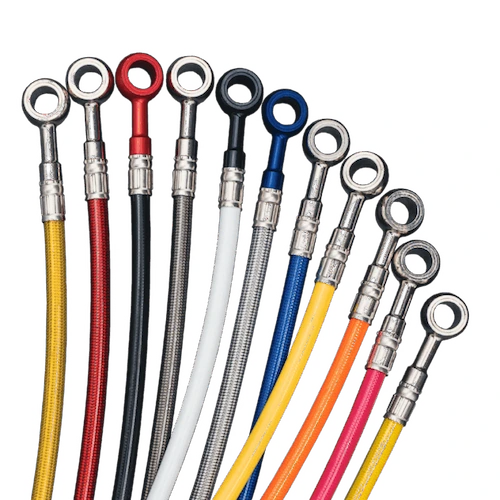
- Braided lines need bracket clearance to prevent rubbing during flex.
- Wheel changes or bigger tires can affect bracket routing, refit ensures clearance.
Brackets lock everything in place. Without them, upgrades shake loose.
How Brackets Influence Brake Feel, Not Just Fitment
When your caliper isn’t locked at the correct angle or distance, the piston sweep changes. That leads to partial pad engagement, uneven friction, and lever vagueness you can’t solve by bleeding lines or upgrading compounds. A precision bracket does three key things:
- Locks in piston angle so the pad makes full contact with the rotor face—no rolling or off-center bite.
- Stabilizes retraction after release, minimizing residual drag and keeping your lever travel consistent.
- Holds torque under shock so caliper clamping force stays centered, even under fast load/unload cycles like braking bumps or trail chatter.
This is the connective tissue of the system. Without a dialed-in bracket, even the best pads and rotors can’t work at full potential. Get that geometry tight, and everything clicks, bite, modulation, and confidence. That’s how braking should feel.
Installation Best Practices
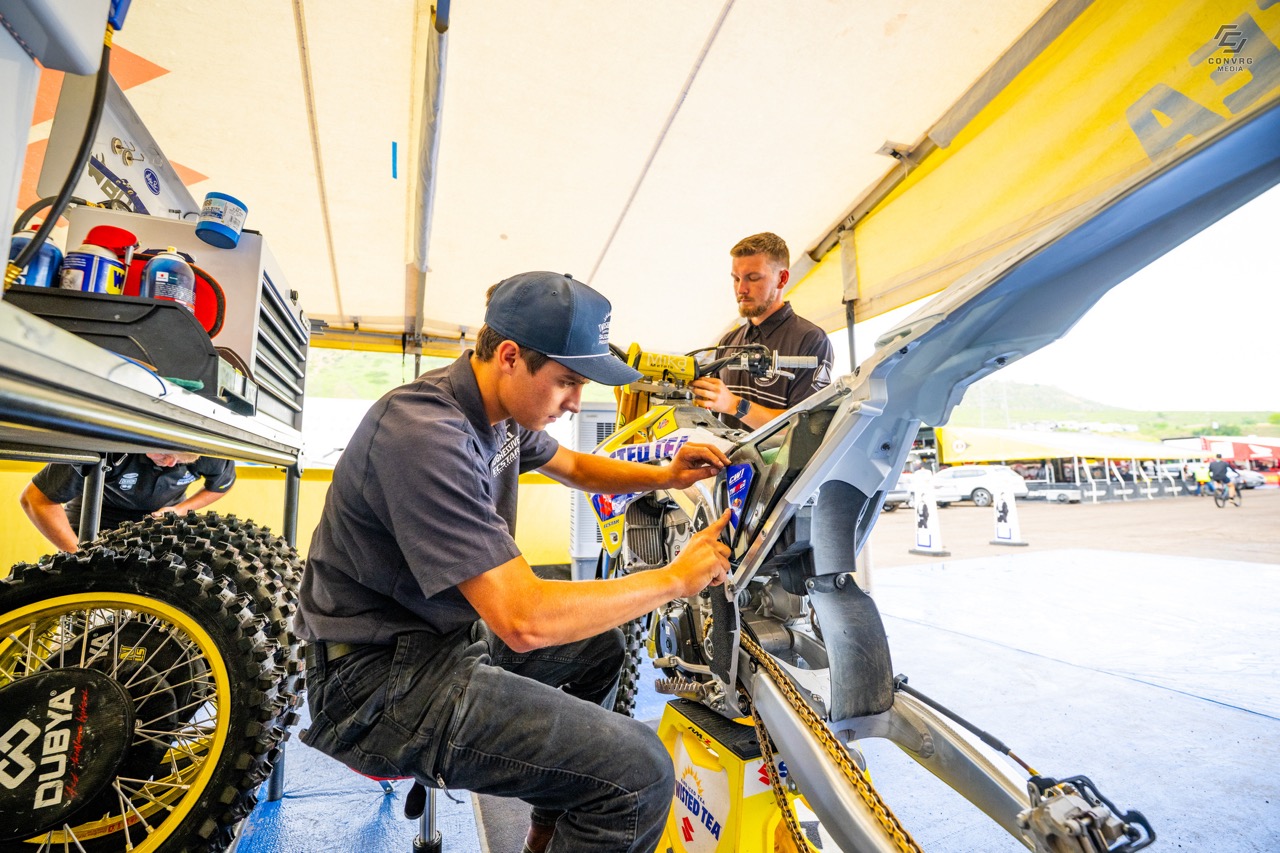
- Clean all mating surfaces, mount brackets to flat hubs with no paint, powder, or debris interfering with contact. Precision starts at the base.
- Verify bracket alignment after full suspension cycle; re-check torque under full load, not just on the stand.
- Spin wheel: no drag. Brake lever: steady pad contact with zero sponginess or pulsing.
- Inspect after the first ride, ensure clamped hardware hasn’t shifted or settled under heat.
One install. Sealed control. No second-guessing at speed.