Dirt Bike Brake Pads
Built for Grit and Grip
Dirt doesn’t care what brand you run. It just eats gear alive. That’s why GBrakes® dirt bike brake pads aren’t mass-produced overseas. They’re built here in the USA, under one roof, by riders who know what failure feels like halfway into a rocky climb with no cell signal. We don’t borrow street formulas or cut corners on material. These pads are engineered from the ground up to survive real off-road abuse, sharp rock strikes, steep descents, hard panic stops, and gritty mud that turns everything into sandpaper. Sintered, ceramic, and specialty compounds are tested under real terrain loads, not bench simulations.
Every shape is caliper-specific and pressure-tuned for a clean bite and controlled engagement. No fade after three laps. No pulsing at the lever when the heat sets in. Just consistent, trail-proven friction that holds up from lap one to lap done. If you’re riding loose shale, rooty singletrack, or drop-heavy enduro sections, don’t rely on bargain pads made for showroom mileage. GBrakes® dirt brake pads are trail-built, race-approved, and precision-made in the USA for riders who break more than a sweat.
Not all motorcycle brake pads are built for real dirt. Factory compounds fade fast under pressure, kick up dust clouds, and wear unevenly after just a few hard stops. That’s why ours aren’t one-size-fits-all, they’re engineered for terrain-specific control and abuse-level durability.
We use sintered, organic, and hybrid compounds, each one tested for real-world resistance to heat, vibration, water, and impact debris.
What Sets These Pads Apart
Abrasion Resistance
Tuned for sand, gravel, shale, and mud, with no premature scoring, flaking, or compound loss under trail friction.
Thermal Stability
Dust-Free Performance
Wet Ride Tested
These don’t go vague after a water crossing. Compounds maintain bite and feel through river wash, rain, or stream splash.
Front + Rear Spec’d
No Sudden Fade
Predictable bite from the first squeeze to the last. No panic moments halfway down a line.
Why It Matters on the Trail
Gbrakes® dirt bike pads don’t just survive off-road conditions, they’re made to dominate them. You ride hard, brake harder, and trust the system under your fingers. These are the pads for that job.
Browse below for Dirt Bike Brake Pads
We spec by use, weight, and real ride conditions, not catalog filler. Fixed, floating, oversized pick based on how you ride. We’ll make sure it stops.
Showing 25–36 of 107 results
-
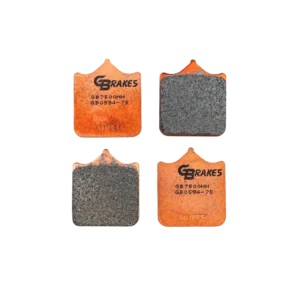
HH Sintered Ceramic Compound – GB0594-75
$83.00 -
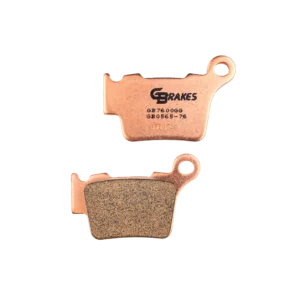
HH Sintered Compound – GB0565-76
$38.00 -
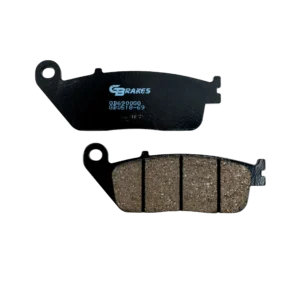
Semi-Metallic Compound – GB0518-69
$36.00 -
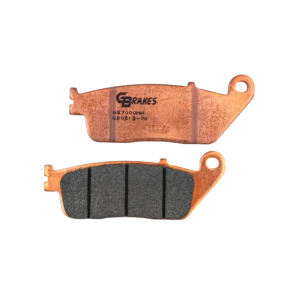
HH Sintered Compound – GB0518-70
$48.00 -
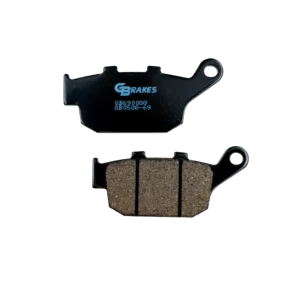
Semi-Metallic Compound – GB0508-69
$36.00 -
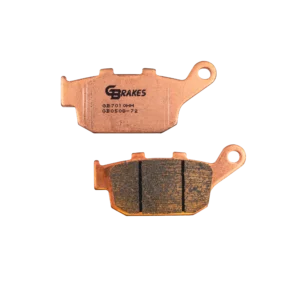
HH Sintered Compound – GB0508-72
$48.00 -
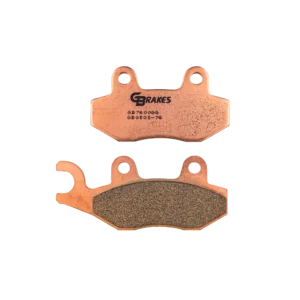
HH Sintered Compound – GB0503-76
$38.00 -
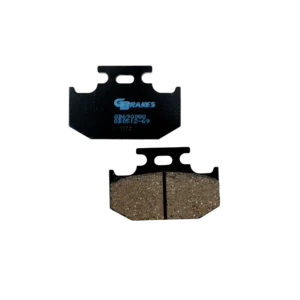
Semi-Metallic Compound – GB0512-69
$36.00 -
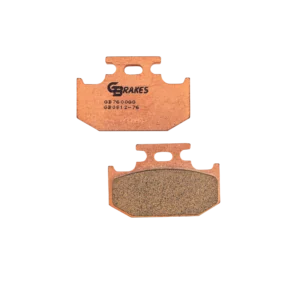
HH Sintered Compound – GB0512-76
$38.00 -
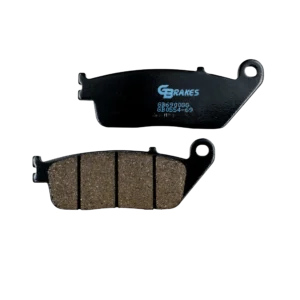
Semi-Metallic Compound – GB0554-69
$36.00 -
HH Sintered Compound – GB0597-70
$38.00 -
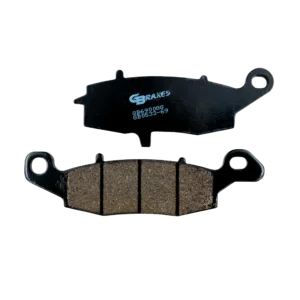
Semi-Metallic Compound – GB0533-69
$36.00
Trail-Ready Fitment You Can Count On
When your pads don’t fit exactly right, things go south fast. Misaligned backing plates, wrong clip tolerances, or undersized pad depth can cause uneven wear, rotor hotspots, or flat-out brake failure. That’s not hypothetical, it happens.
Gbrakes® ensures every pad sold is spec’d to:
- Match the exact backing plate and piston geometry
- Include correct anti-rattle clips or spring features
- Use chamfered edges to reduce bite-on-edge chatter
- Offer wear indicators where applicable
How to Tell Your Pads Are Toast
Don’t wait for the fade. Here’s what to look for:
- Lever feel goes soft even with fresh fluid
- Squealing or groaning under dry conditions
- Brake pulse or uneven feedback on the lever
- Rotor discoloration or glazing
- When below the wear line or physically crumbling
If any of those sound familiar, your pads aren’t just worn, they’re done. Continuing to run them means risking your rotor, your caliper, and your ride.
Why OEM Dirt Pads Just Don’t Cut It
OEM dirt bike brake pads are usually designed for price and shelf life, not stopping power. They’re built to pass a basic spec test, not to handle five back-to-back descents with hard braking and high ambient heat.
Stock ones typically:
- Fade early under real trail heat
- Wear unevenly when dust gets in
- Don’t have the bite needed for aggressive braking
- Cost you rotors when they go soft and glaze everything
Riding harder, braking later, pushing through technical lines? Your rotors need to keep up, or get replaced.
Compound Breakdown:
What Dirt Pads Are Made Of (and Why It Matters)
Sintered Brake Pads (Metallic)
These are made by compressing and fusing metallic particles under extreme pressure. This makes them heat-resistant, aggressive, and tough as nails. Perfect for aggressive descents, water crossings, and technical climbs.
- Superior bite in wet or muddy conditions
- Sustains friction in long, repeated braking
- High heat capacity minimizes fade
- Tough on rotors, but that’s the tradeoff for power
Organic Brake Pads (Resin/NAO)
These are made by compressing and fusing metallic particles under extreme pressure. This makes them heat-resistant, aggressive, and tough as nails. Perfect for aggressive descents, water crossings, and technical climbs.
- Great initial feel, smooth feedback
- Quieter with less dust
- Gentle on rotors
- Not ideal for heavy abuse or hot climates
Hybrid Brake Pads
These combine metal and organic elements for a do-it-all option. Not as aggressive as sintered, not as soft as organic, perfect for dual-sport or varied terrain riders.
- Balanced bite and modulation
- Moderate rotor wear
- Versatile across conditions
- Less fade than organic, smoother than sintered
Pick the Right Pad, Not the Most Expensive
The best brake pad isn’t the one with the highest price. It’s the one that matches your weight, terrain, and braking habits. Here’s how to choose:
- Light bikes, casual trail? Go organic.
- Mixed terrain, hard pulls? Go hybrid.
- Long descents, water, heavy bikes? Go sintered.
Still not sure? Start with what failed last. If you overheated your old set, upgrade to sintered. If your rotor’s chewed, drop to organic. Gbrakes® is here to match the compound to your ride.