
V‑Twin Motorcycle Brake Brackets
V-Twins don’t roll light. You’re pushing serious weight, torque, and thermal load every time you grab the lever. So why trust a cheap cast bracket to hold your caliper in position? GBrakes® offers V-Twin motorcycle brake brackets engineered for strength, alignment, and repeat performance under real-world conditions. Each bracket is CNC-machined from high-grade billet aluminum or heat-treated steel, depending on application. That means tighter tolerances, no wall deflection under load, and the kind of dimensional accuracy you can feel at the lever. They’re spec’d to match your exact fork geometry, caliper type, rotor size, and axle spacing, so your pads hit flush, your rotor spins true, and your braking system feels planted, not vague.
If you’re upgrading to a floating rotor, dual-disc setup, or running longer fork tubes or lowered suspension, a stock bracket won’t align right. That misalignment causes uneven pad wear, caliper chatter, and inconsistent braking feel, all of which you don’t want when you’re carrying weight downhill or braking late into a corner. GBrakes®’ V-Twin motorcycle brake brackets are trusted by riders across the country, from long-haul touring setups to hard-use club builds. They’re built for bikes that don’t sit still, don’t run light, and don’t forgive sloppy fitment. You’re not just holding the caliper. You’re locking in control.
Brackets are the most overlooked part of the entire braking system, until they’re the reason your rotor rubs, your caliper chatters, or your lever goes soft under pressure. On a V-Twin, where you’re dealing with more weight, longer forks, and bigger rotors, a bad bracket throws everything off.
Gbrakes® V-Twin brackets are built to eliminate slop, flex, and misalignment at the source. These aren’t repurposed sportbike tabs or thin stamped steel. They’re CNC-machined from billet aluminum or heat-treated chromoly, depending on application, with every surface spec’d for torque, fitment, and suspension travel under load.
What Makes These Brackets Different
Precision-Cut Mount Geometry
Fork + Travel Specific Fitment
Thread Integrity + Torque Hold
Surface-Treated to Withstand Abuse
No Modifications Required
Built for Real V-Twin Riders
From Sturgis to Daytona, we’ve built these for riders who don’t garage their bikes — they live on them. Long miles, loaded gear, hard stops in heat — this isn’t cosmetic hardware. It’s a structural part of your braking system, and we treat it like it.
If you’ve upgraded your rotors or calipers but you’re still chasing vibration or uneven pad wear , this is your fix. No deflection. No delay. Just rock-solid clamping force, perfectly aligned, every ride.
Browse below for V-twin Motorcycles Brake Brackets
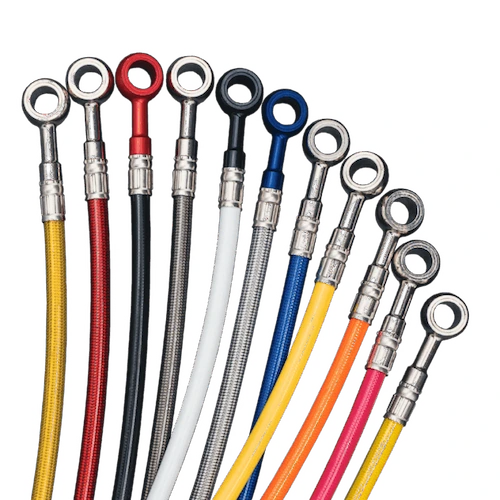
Front, rear, full kits, braided steel, DOT-rated, and custom fit for your build. If you upgraded your bars, brakes, or just want better control, this is where to start.

When You Actually Need to Upgrade Your Brackets
If you’ve installed a larger front rotor, changed to radial-mount calipers, or swapped fork lowers, your stock bracket is officially the wrong part. It may bolt on, but it won’t hold the caliper in the correct position or allow proper rotor contact. That’s not just a performance problem, it’s a safety issue.
Your V-Twin motorcycle brake brackets should also be upgraded when you:
- Install aftermarket wheels that shift rotor position
- Rework axle spacing with new spacers or clamps
- Convert to dual-disc setups from single-disc
- Upgrade calipers with different bolt spacing or orientation
- Experience rotor rub, uneven pad wear, or pulsing at the lever
Don’t just torque it down and hope for the best. Use the part that was made for your layout.
Why Cheap Brackets Fail (And What Ours Don’t Do)
Most brackets sold online are cast aluminum, mass-produced overseas, and barely tested. They flex under load, corrode quickly, and often ship with unclear or missing fitment data. They might work on paper, but they’ll compromise your braking system over time.
Gbrakes® brackets are designed with strength margins that exceed factory specs. They’re built for real-world torque, weight, and heat, not just CAD tolerances. That means fewer issues with rotor runout, less lever slop, and fewer returns from warped or bent parts.
Installation and What to Check
Mounting a brake bracket isn’t complicated, but getting it right means checking every step. Make sure caliper bolts torque to spec. Rotor face should be perfectly centered between pads. Caliper must sit flat against the bracket, and all contact points should be flush.
During install:
- Confirm rotor clearance through full suspension travel
- Spin the wheel to check for drag or uneven bite
- Re-check bolts after 50–100 miles of riding
A proper install gives you maximum braking force with no surprises.
Match Brackets to the Right System
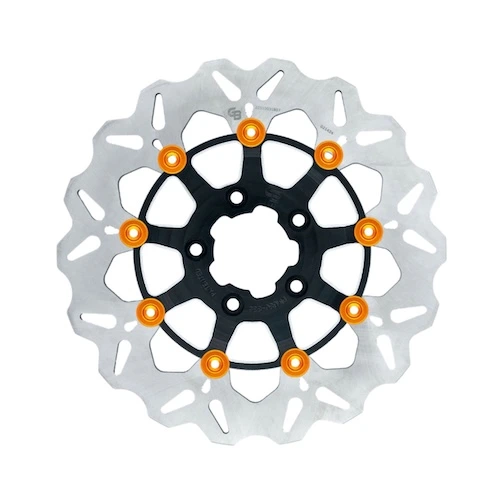
They’re not just accessories, they’re structural. The right mount lets you run larger rotors, higher-pressure pads, and stiffer calipers without throwing your setup out of alignment or compromising feel under load. When you pair GBrakes® hardware with the correct rotor, caliper, and brake line, you’re not just swapping parts, you’re building a system designed to handle real-world heat, weight, and leverage. Everything aligns. Everything fits. And when it’s torqued down and stress-tested, everything holds.
That’s what sets this apart: it’s not about chasing numbers or squeezing specs, it’s about matching geometry, clearance, and braking behavior so your setup works as one. No lever delay, no off-center wear, no second-guessing under load. No slop at the lever, no rubbing, no caliper wander. Just clean, repeatable braking, even under full load and sustained pressure. This is how V-Twin stopping power is built: from the foundation up.